


Hospital sign at a glance
- Category
- Informatory sign (Third Schedule, Motor Vehicles Act, 1988)
- Shape and colour
- Rectangular or square board, blue background with a white hospital symbol
- Meaning
- A hospital or medical facility is located nearby
- What drivers must do
- Drive slowly, do not honk, keep the way clear for ambulances
- Silence zone
- Within about 100 metres of a hospital
- Horn fine
- Rs. 1,000 first offence, Rs. 2,000 repeat (Section 194F)
What does the hospital sign mean?
The hospital sign is an informatory road sign. It tells road users that a hospital, nursing home or other medical facility is located close to the road. Unlike a mandatory sign such as Stop, it does not give an order. Unlike a cautionary sign, it does not warn of a physical hazard on the road.
Even so, the sign carries an important message for drivers. Hospital areas have patients, ambulances, visitors and pedestrians in a hurry, and the surrounding stretch is treated as a silence zone. When you see the hospital sign you are expected to slow down, avoid unnecessary honking and keep the road clear for emergency vehicles.
The sign is also useful for people who need medical help. In an emergency, a hospital board on the road, especially on highways and in unfamiliar areas, tells you which way to go and how far you have to travel.
How the hospital sign looks
Informatory signs in India are rectangular or square boards. The hospital sign has a blue background with a white hospital symbol, so it can be read quickly even from a moving vehicle and at night when light falls on its reflective surface.

- Shape: rectangular or square board.
- Colour: blue background, white symbol and border.
- Material: retro-reflective sheeting, so it stays visible in headlights.
- Supplementary plate: sometimes shows the hospital name or the distance in metres or kilometres.
Where you see the hospital sign in real life
You will see the hospital sign in several places. It is placed so that drivers get the information early, well before they reach the hospital entrance:


Typical locations
- On the approach road, a few hundred metres before the hospital gate.
- Beside the main entrance together with a silence zone board.
- At junctions, with an arrow showing the direction to the hospital.
- On national and state highways, on poles or overhead gantries, with the distance.
- Near medical colleges, district hospitals and trauma centres.
What drivers should do when they see the hospital sign
Do
- Slow down and drive carefully.
- Keep your horn silent unless it is a real emergency.
- Give way to ambulances immediately.
- Watch for patients, wheelchairs and people crossing.
- Keep the lane near the hospital gate clear.
Do not
- Honk, use pressure horns or play loud music.
- Park or stop in front of the entrance or emergency gate.
- Overtake aggressively near the gate.
- Block the road to pick up or drop off passengers.
- Race the engine or rev unnecessarily.
Silence zone rules near hospitals
Under the Noise Pollution (Regulation and Control) Rules, 2000, the area around hospitals, educational institutions and courts is declared a silence zone.
- Unnecessary honking and pressure horns are prohibited in the zone (Section 194F, Motor Vehicles Act).
- Drive slowly. Engine revving and loud music are also treated as noise.
- Ambulance sirens are the only sound that should be heard. Move aside for them.
Penalty
What is the fine if you break this rule?
Amounts are as per the Motor Vehicles (Amendment) Act, 2019 (Sections 194F and 194E). States can notify different amounts, so confirm the current penalty with your state transport department.
Ambulances and emergency vehicles near hospitals
Ambulances come and go from a hospital at all hours, often with sirens on. When an ambulance approaches, move to the left, slow down and let it pass. Do not follow it closely or try to use the cleared road for your own overtaking.
Giving way to emergency vehicles is a legal duty. Section 194E of the Motor Vehicles Act provides for a fine of Rs. 10,000 or imprisonment of up to six months, or both, for failing to give way to an emergency vehicle. More importantly, a few seconds of delay can matter for a patient.
RTO test tips and sample questions
Questions on the hospital sign are asked in the learner licence test, usually with the sign image shown. Remember three things: it is informatory, it is blue, and it means hospital nearby, drive slowly, no honking.
1. The blue sign with a hospital symbol means:
- Hospital ahead is closed
- A hospital is located nearby
- Ambulance parking only
- Honking is compulsory
2. Which type of sign is the hospital sign?
- Mandatory sign
- Cautionary sign
- Informatory sign
- Road marking
3. What should you do on seeing the hospital sign?
- Increase speed to pass quickly
- Honk to warn pedestrians
- Slow down and avoid honking
- Park near the gate
Want more practice? Try our free RTO practice tests and the full traffic signs library.
Common mistakes near hospitals
- Honking out of habit in slow traffic near the gate.
- Mixing up the hospital sign with a parking sign because both are blue.
- Parking on the road outside the emergency entrance.
- Not giving way to an ambulance because the road looks busy.
- Treating the sign as optional information instead of a cue to drive carefully.
Frequently asked questionsFAQs
What does the hospital sign mean?
The hospital sign is an informatory road sign. It tells drivers that a hospital or medical facility is located nearby. It does not ban anything by itself, but it usually comes with a silence zone where honking is prohibited.
What colour is the hospital sign in India?
The hospital sign is a blue board with a white hospital symbol. Blue is the colour used for informatory signs, which give information about facilities and services, as compared to red-bordered mandatory signs and triangular cautionary signs.
Is honking allowed near a hospital?
No. Hospitals are declared silence zones under the Noise Pollution (Regulation and Control) Rules, 2000. The silence zone extends to an area of not less than 100 metres around the hospital, and unnecessary honking there is an offence.
What is the fine for using a horn in a silence zone?
Under Section 194F of the Motor Vehicles Act as amended in 2019, the fine is Rs. 1,000 for the first offence and Rs. 2,000 for each repeat offence. Fines can be revised, so check the latest notification of your state transport department.
What is the speed limit near a hospital?
There is no single speed limit for every hospital in India. Follow the speed limit sign posted on that road, and in any case reduce speed because patients, ambulances and pedestrians use the area. A low speed of around 25 to 30 km/h is a safe practice near hospital gates.
Is the hospital sign a mandatory or a cautionary sign?
Neither. It is an informatory sign. Mandatory signs give orders such as Stop or No Entry, cautionary signs warn about hazards such as a school or a sharp curve, and informatory signs such as Hospital, Parking or Petrol Pump give information.
Do I have to give way to an ambulance near a hospital?
Yes. Drivers must give way to ambulances, fire engines and other emergency vehicles. Under Section 194E of the Motor Vehicles Act, failing to give way to an emergency vehicle can lead to a fine of Rs. 10,000 or imprisonment of up to six months, or both.
Will the hospital sign come in the RTO learner licence test?
Yes. Informatory signs including the hospital sign are a regular part of the learner licence question bank. Questions usually ask the meaning of the sign or what a driver should do after seeing it.
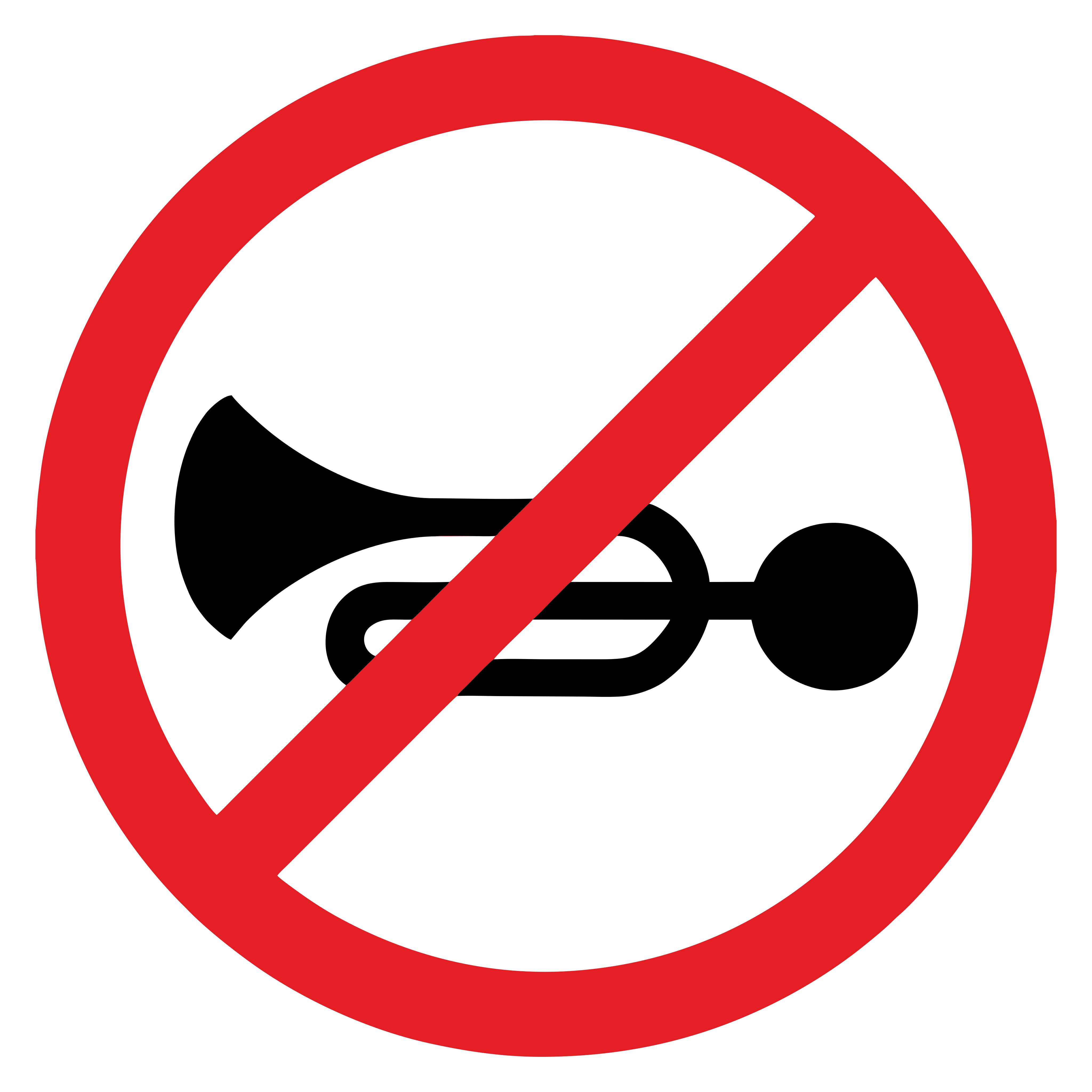 Horn Prohibited
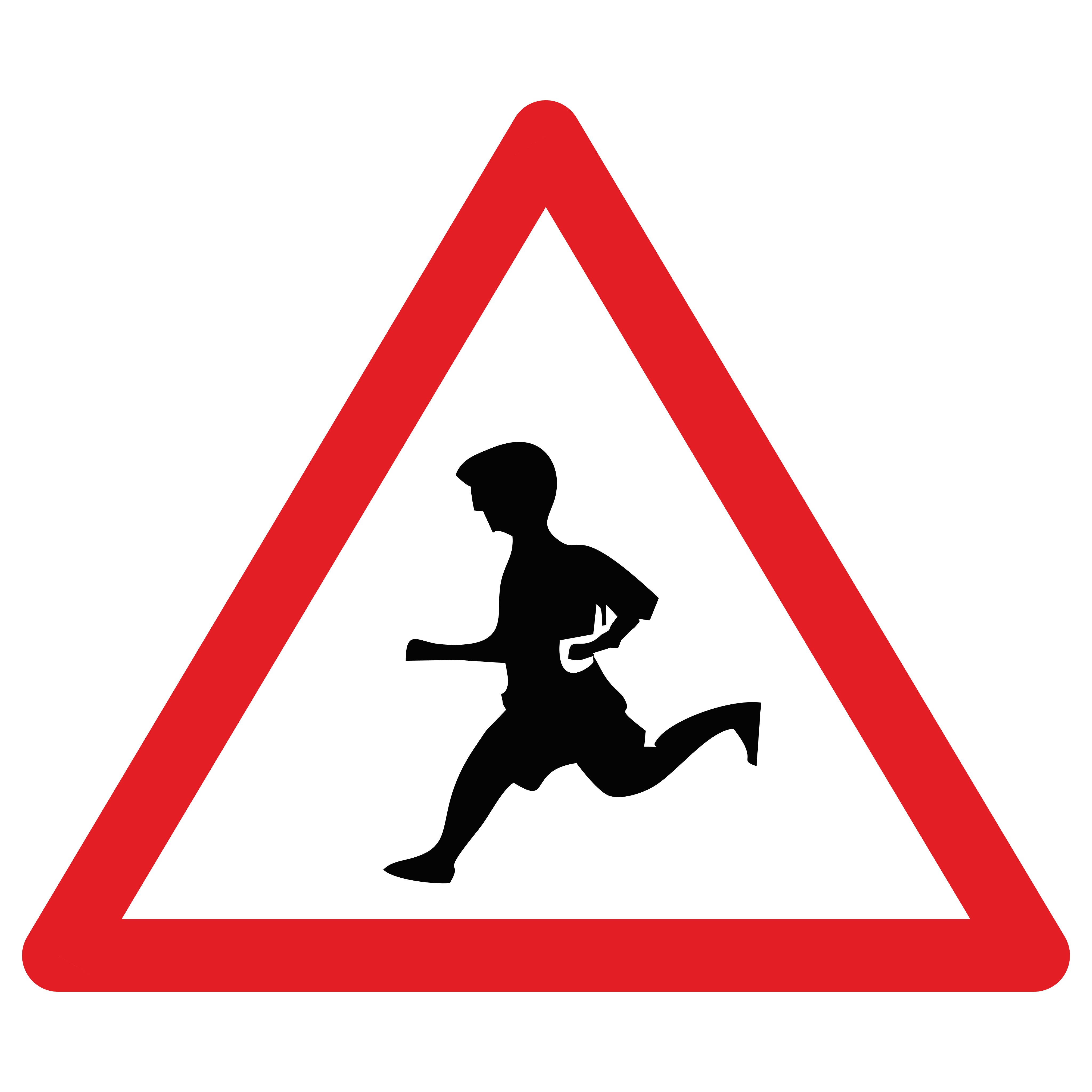 School Ahead
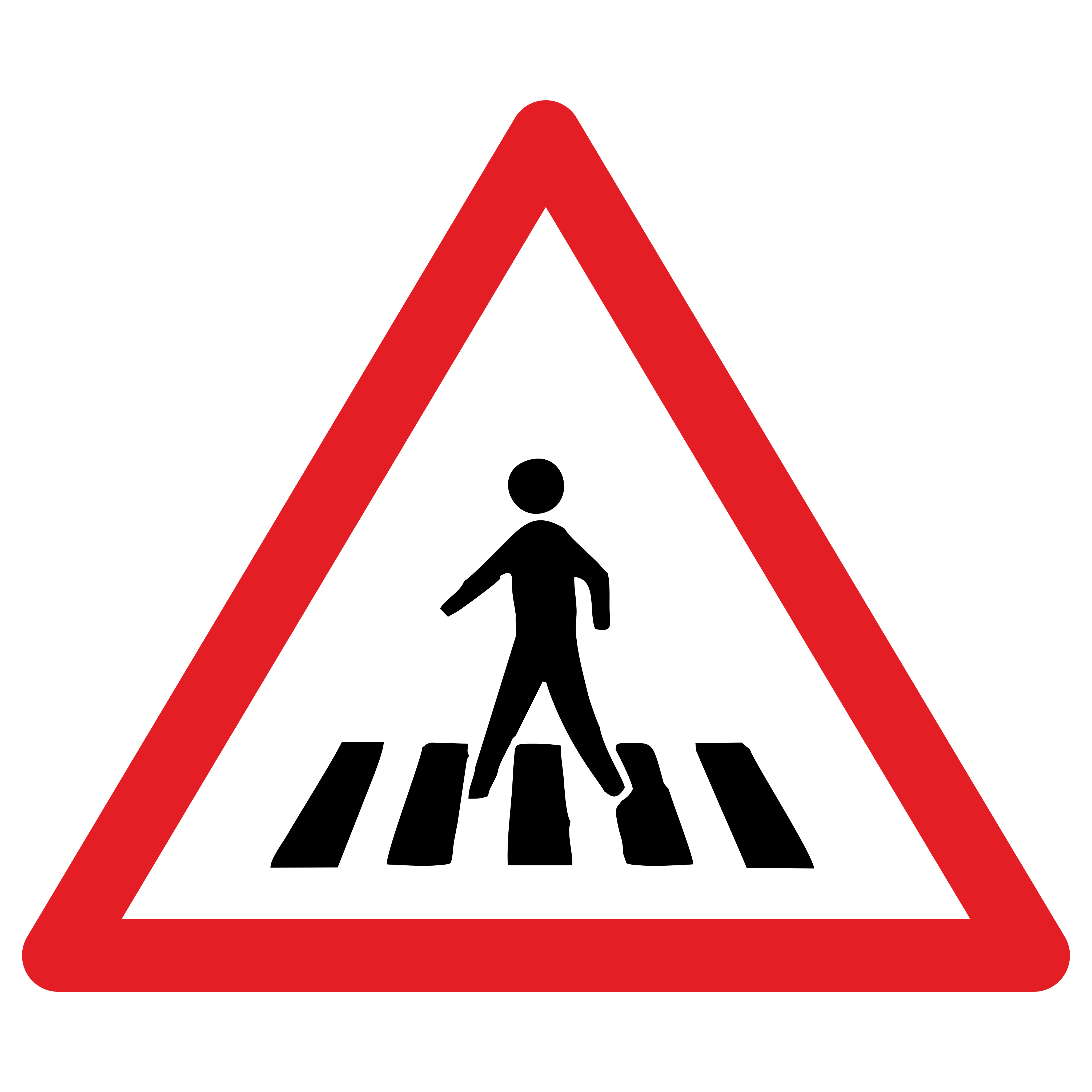 Pedestrian Crossing
 No Parking
 Speed Limit 50
 Parking